
July 22, 2026
Paragon Digicom: Trusted Telecom Service Provider in Dubai | Leading Telecom Company in UAE...
In today’s digital age, the world is at our fingertips, quite literally. And what serves as the gateway to this digital realm? Websites. These virtual canvases are where creativity, technology, and functionality converge to create stunning and functional digital experiences. Welcome to the world of web development, where lines of code give life to imagination.
1. The Pillars of Web Development:
At its core, web development can be divided into two main pillars: front-end and back-end development.
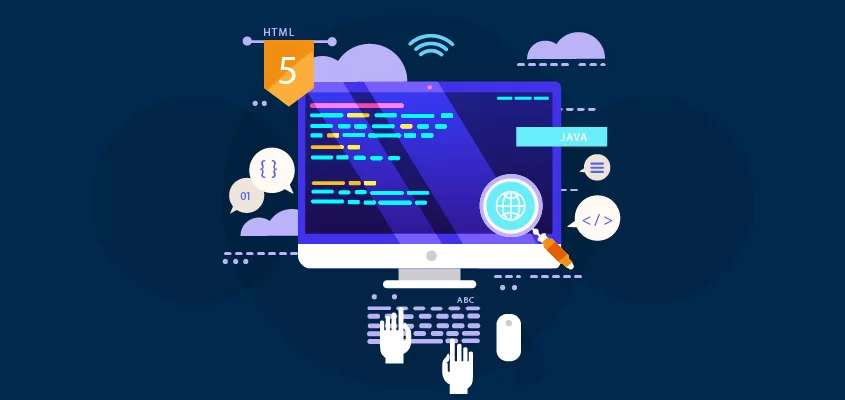
Front-end Development: The front end is what users directly interact with. It involves crafting visually appealing and responsive user interfaces using languages like HTML, CSS, and JavaScript. CSS adds style and layout, HTML structures content, and JavaScript makes everything interactive.
Back-end Development: While the front end is the face of a website, the back end is the engine that powers it. This involves server-side scripting, databases, and server management. Languages like Python, Ruby, PHP, and frameworks like Node.js are used for building the back end

2. The Languages of the Web:
3. The Marvels of Responsive Design:
With the proliferation of devices, from smartphones to desktops, creating a seamless user experience across them all is paramount. Responsive design ensures that websites adapt and look great on screens of all sizes.
4. Web Development Paradigms:
5. The Evolving Landscape
Web development is a field that never rests. New languages, tools, and best practices emerge regularly. Staying updated and learning continuously is essential for every web developer.
Conclusion:
Web development is more than just coding; it’s a canvas where creativity meets technology. From the elegance of responsive design to the power of back-end databases, it’s a symphony that produces the digital experiences we encounter daily. Whether you’re a seasoned developer or just starting, the world of web development invites you to create, innovate, and shape the digital world. So, pick your tools, unleash your imagination, and embark on a
journey to craft digital wonders that will redefine the way we interact with the web
Paragon Digicom: Trusted Telecom Service Provider in Dubai | Leading Telecom Company in UAE...

The Future of VoIP: How Business VoIP Solutions Can Achieve Cost-Effective Global Communication In...

How Cloud Communications Systems Like VoIP and eSIM Are Transforming Global Business Communication in...