
July 22, 2026
Paragon Digicom: Trusted Telecom Service Provider in Dubai | Leading Telecom Company in UAE...
The IoT Landscape: A Brief Overview:
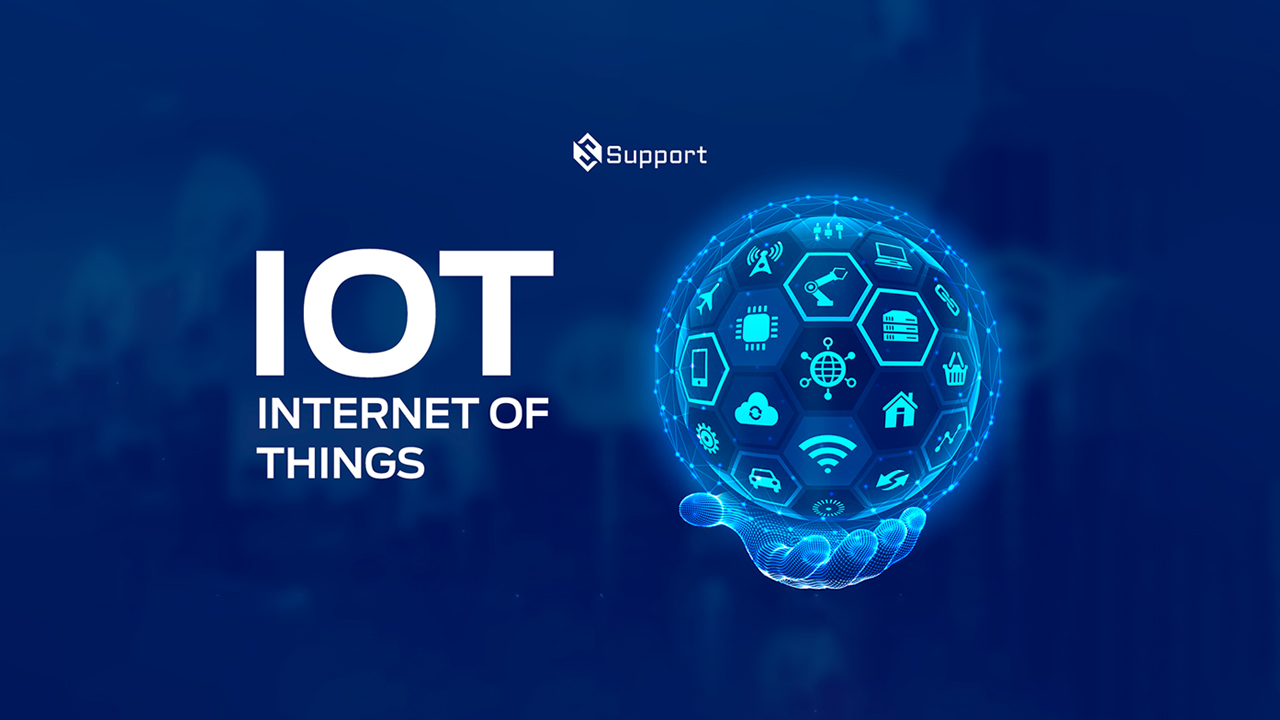
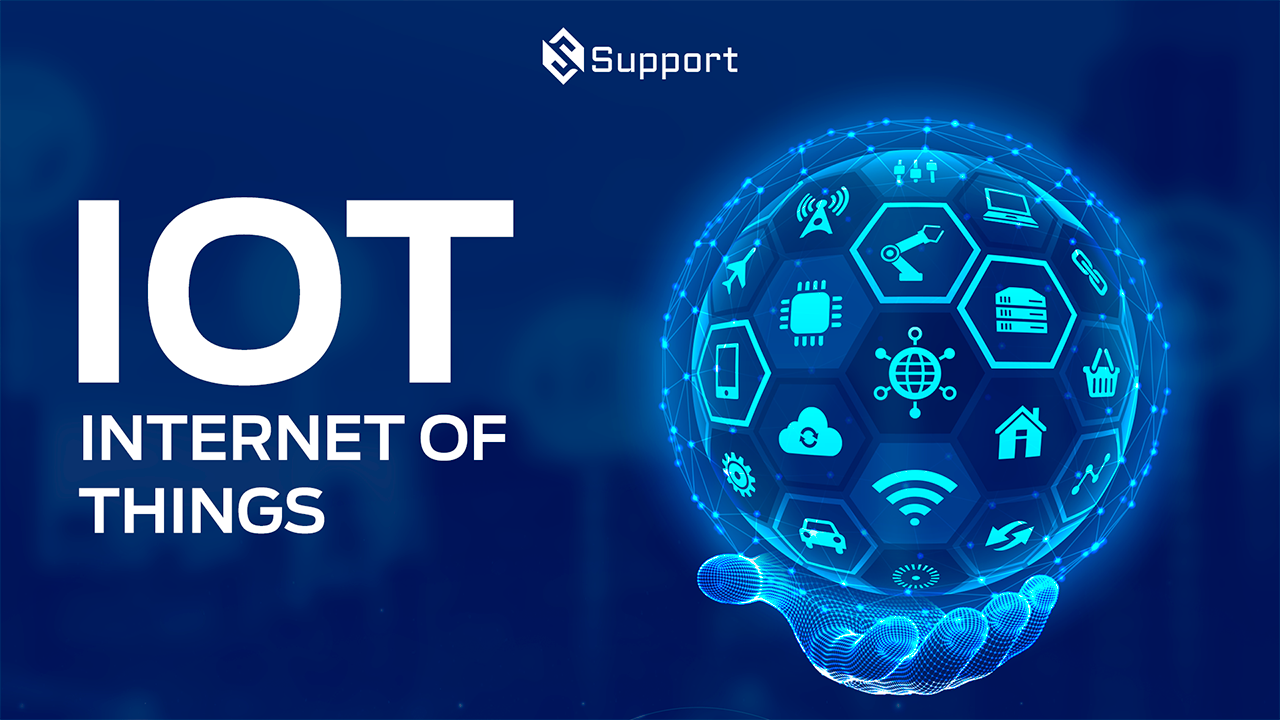
The Internet of Things refers to the network of interconnected devices that can communicate with each other via the Internet, exchanging data and information. These devices, often embedded with sensors and software, can range from smart thermostats and wearable fitness trackers to industrial machines and autonomous vehicles. The core idea is to create a network of intelligent objects that can collect, analyze, and transmit data without
human intervention.
Applications of IoT:
Smart Homes: IoT has transformed the way we interact with our living spaces. Smart thermostats, lighting systems, security cameras, and voice assistants enable homeowners to control their environment remotely and optimize energy consumption.
Healthcare: Wearable devices like smartwatches and fitness trackers monitor vital signs, track physical activity, and provide real-time health insights. Additionally, IoT is used in remote patient monitoring, enabling healthcare professionals to monitor patients’ conditions from afar.
Industrial IoT (IIoT): In the industrial sector, IoT is leveraged for predictive maintenance, asset tracking, and optimizing manufacturing processes. Machines and equipment equipped with sensors can provide real-time data on performance and potential issues, reducing downtime.
Smart Cities: Municipalities are adopting IoT technologies to enhance urban living. Smart traffic management, waste management, and energy-efficient infrastructure are some examples of how IoT is making cities more sustainable and efficient.
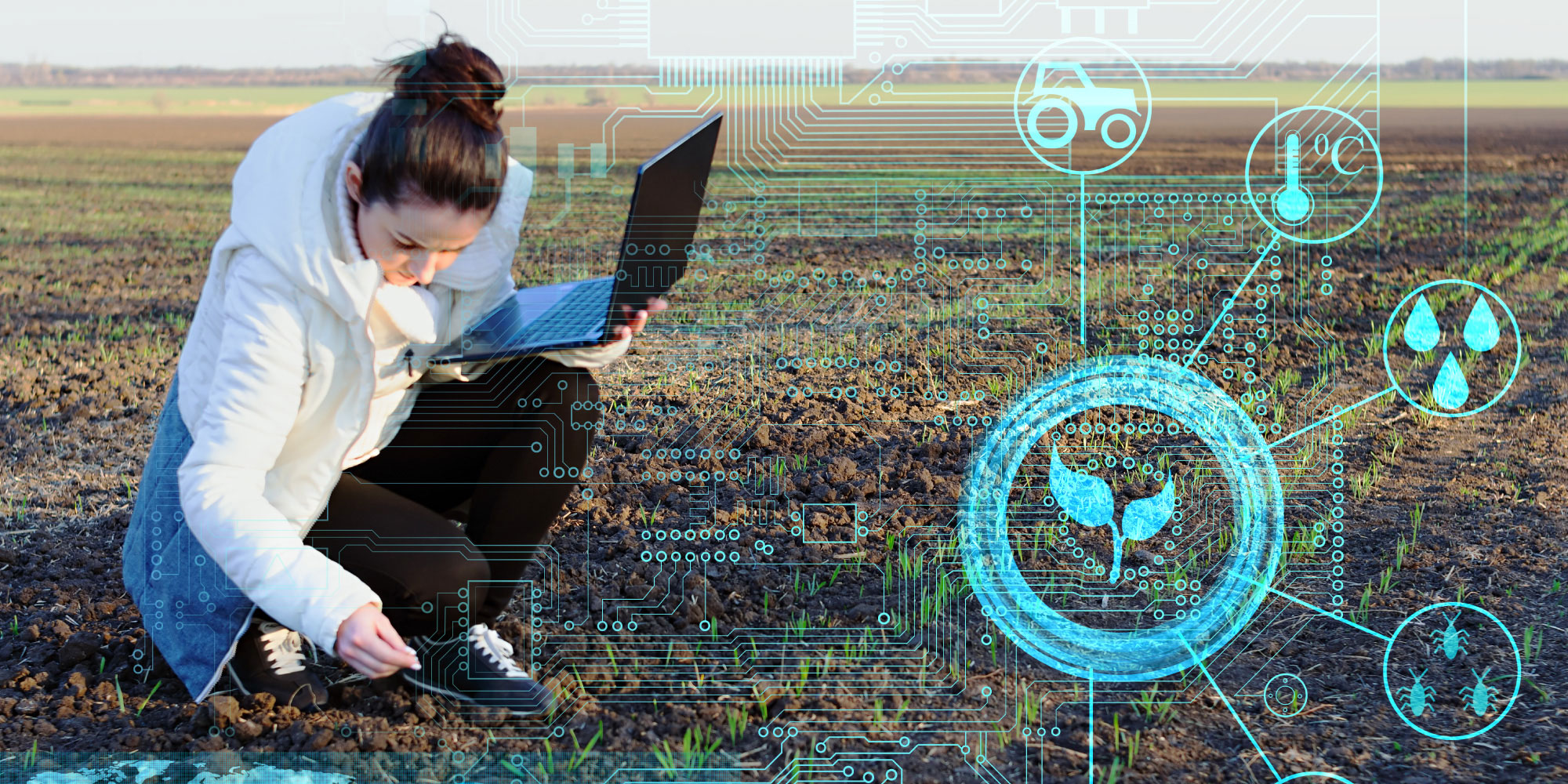
Agriculture: IoT-powered sensors in agriculture enable farmers to monitor soil conditions, weather patterns, and crop health. This data-driven approach enhances yield, reduces resource wastage, and improves overall farm management.
Challenges and Considerations:
Security: With the increase in connected devices, the risk of cyberattacks and data breaches grows. Ensuring robust security measures is paramount to protect sensitive information and maintain user trust.
Data Privacy: IoT devices collect vast amounts of personal and sensitive data. Striking a balance between utilizing this data for insights and respecting user privacy is a critical challenge.
Interoperability: The diverse range of devices and protocols in the IoT landscape can hinder seamless communication. Standardization and interoperability are essential for a cohesive IoT ecosystem.
Scalability: As the number of connected devices continues to rise, scaling IoT infrastructure to accommodate this growth is a significant technical challenge.
The Future of IoT:
The evolution of IoT is expected to bring about even more transformative changes. Edge computing, where data is processed closer to the source rather than sending it to a centralized server, will reduce latency and improve real-time decision-making. The integration of AI and machine learning will enhance the analytical capabilities of IoT systems, enabling them to extract valuable insights from complex data.
Conclusion:
The Internet of Things is reshaping industries and redefining the way we interact with our environment. From smart homes to smart cities, the possibilities are endless. However, as IoT continues to evolve, addressing security, privacy, and interoperability challenges will be crucial. As we stand on the brink of this technological revolution, staying informed and engaged with the developments in IoT will undoubtedly be an exciting journey into the future.
Author: Rabeil Tariq
Paragon Digicom: Trusted Telecom Service Provider in Dubai | Leading Telecom Company in UAE...

The Future of VoIP: How Business VoIP Solutions Can Achieve Cost-Effective Global Communication In...

How Cloud Communications Systems Like VoIP and eSIM Are Transforming Global Business Communication in...