July 22, 2026
Paragon Digicom: Trusted Telecom Service Provider in Dubai | Leading Telecom Company in UAE...
In today’s fast-paced digital age, communication technologies have undergone a paradigm shift. Traditional telephone systems are becoming obsolete, making way for innovative solutions like Session Initiation Protocol (SIP) and Voice over Internet Protocol (VoIP). These technologies are not just buzzwords but the backbone of modern communication, reshaping the way individuals and businesses connect globally.
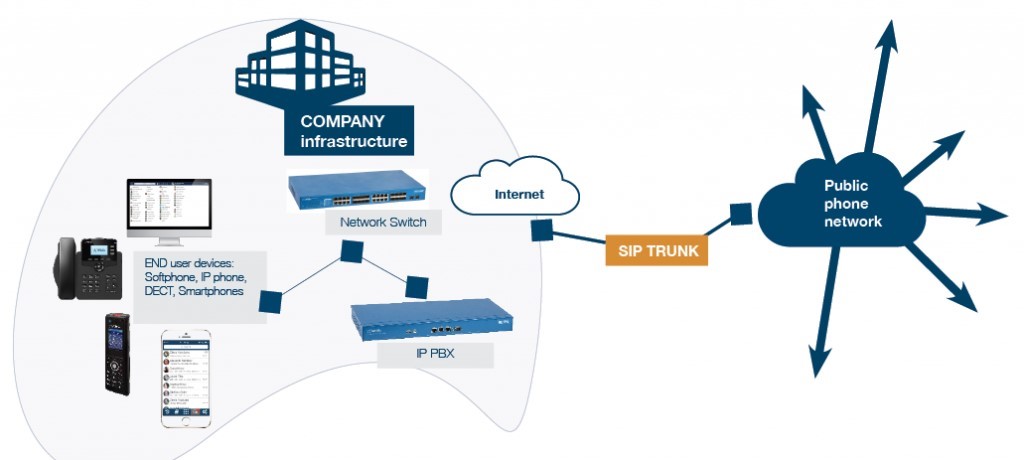
Session Initiation Protocol (SIP) is a signaling protocol used for initiating, maintaining, modifying, and terminating real-time sessions involving video, voice, messaging, and other communications applications and services between two or more endpoints on IP networks.
Voice over Internet Protocol (VoIP)on the other hand, refers to the technology that allows voice communication and multimedia sessions over the Internet, enabling users to make calls using broadband internet connections instead of traditional analog phone lines.
Cost-effectiveness in SIP and VoIP significantly reduce communication costs, especially for long-distance and international calls, making them an ideal choice for businesses aiming to cut down on expenses.
Scalability in SIP and VoIP systems is higher, allowing businesses to easily add or remove lines based on their needs without the hassle of physical phone line installations.
Flexibility and Mobility in these technologies enable users to make and receive calls from any device with an internet connection, promoting flexibility and mobility in the workplace.
Enhanced Features in SIP and VoIP o er a plethora of advanced features such as video conferencing, voicemail-to-email transcription, call routing, and virtual phone numbers, enhancing communication efficiency.
Integration Capabilities in SIP and VoIP systems seamlessly integrate with other business applications, including CRM software, creating a unified communication environment for improved productivity.

Businesses, regardless of their size, are increasingly adopting SIP and VoIP systems due to their myriad advantages. These technologies streamline communication processes, facilitate collaboration among remote teams, and enhance customer service experiences. Moreover, the ability to integrate with existing infrastructure makes them an attractive choice for enterprises aiming for digital transformation.
While SIP and VoIP offer numerous benefits, they are not without challenges. Issues such as network security, quality of service, and compatibility with legacy systems need to be addressed. Ensuring a robust security protocol, regular updates, and employee training can mitigate these challenges effectively.
The future of communication lies in the hands of SIP and VoIP technologies. As they continue to evolve, we can expect even more innovative features and seamless integration with emerging technologies like artificial intelligence and the Internet of Things. Businesses that embrace these advancements will be better positioned to adapt to the ever-changing landscape of communication.
Author: Rabeil Tariq
Paragon Digicom: Trusted Telecom Service Provider in Dubai | Leading Telecom Company in UAE...

The Future of VoIP: How Business VoIP Solutions Can Achieve Cost-Effective Global Communication In...
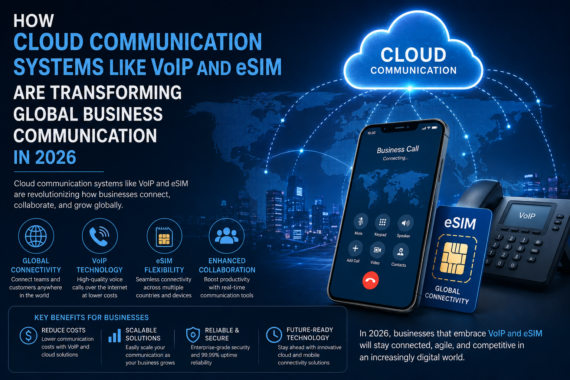
How Cloud Communications Systems Like VoIP and eSIM Are Transforming Global Business Communication in...