July 22, 2026
Paragon Digicom: Trusted Telecom Service Provider in Dubai | Leading Telecom Company in UAE...
With the evolution of the digital world, the ways of communication have also been advanced. Communication has become easier and simpler over time unlike complex telephone systems long ago.
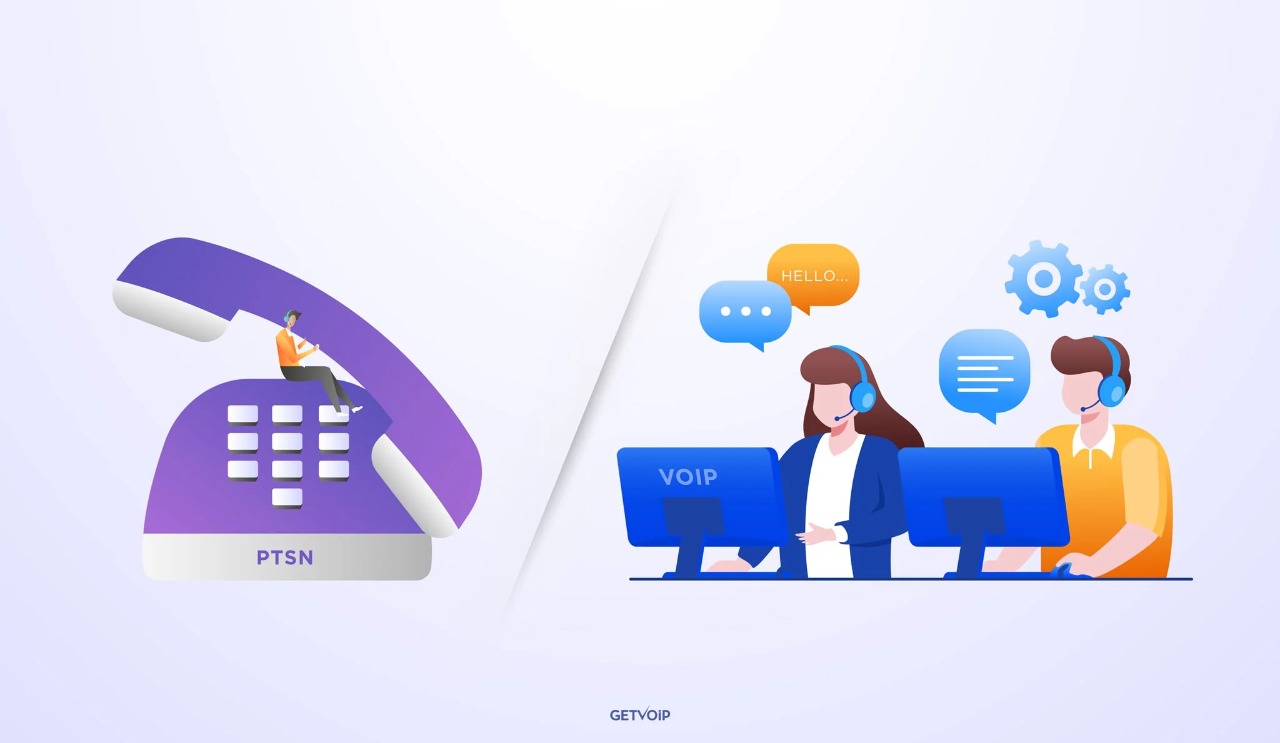
Conventional calling involves the use of analog phone systems also known as Plain Old Telephone Systems (POTS) carries voice signals over copper wires. Analog phone systems are dependent on the phone lines which means it limits you to a specific area. If you plan for an expansion or even a relocation, you need to deploy extra hardware and phone lines.
VOIP is an emerging technology and is found to be more effective, easier, and simpler than a conventional calling system. Voice over internet protocol (VOIP) uses an internet connection for making phone calls. VOIP also called digital phone service converts sound into data packets that are transmitted to a VOIP service provider, who then place direct calls between Public Switched Telephone Networks (PSTNs). All of this process happens in few milliseconds because of the fast broadband internet connections.
Analog phones are simpler to use but at the same time, they’re limited to a certain boundary. However, IP phones are flexible as they can be operated wherever there is an internet connection.
Analog phones consist of standard features like hold, mute, speed dial, and redial. Whenever it comes to adding more features, it becomes much expensive and difficult due to its hardware deployment. On the other hand, IP phones are more versatile when it comes to upgrading. IP phones contain more efficient features like auto-attendant options, unified messaging, and much more. The expansion or upgrading costs you less with VOIP.
Conventional calling systems only support voice calls as it works through copper wires. While, VOIP enables your voice, video, and any kind of multimedia that you can do while using an internet connection.
When it comes to first-time deployment VOIP costs you a bit more than landline/analog phones. But the maintenance cost of VOIP is much less as compared to analog phones since it is the responsibility of the VOIP service provider. Upgradation and expansion charge you more with analog systems as it requires additional hardware deployment. VOIP is highly scalable, unlike analog phone systems.
VOIP is much reliable than analog phones as it handles calls without busy signals, and if you are experiencing poor internet connection you can direct calls to your cell phones. However, analog phones are subjected to bad weather, busy lines, etc.
It has been observed that VOIP is far better in flexibility, features, and ease of use as compared to landlines. VOIP has become the most favorite choice for enterprises and businesses. VOIP can cut costs by more than half plus it provides scalable and secured communication ways.
Paragon Digicom: Trusted Telecom Service Provider in Dubai | Leading Telecom Company in UAE...
The Future of VoIP: How Business VoIP Solutions Can Achieve Cost-Effective Global Communication In...
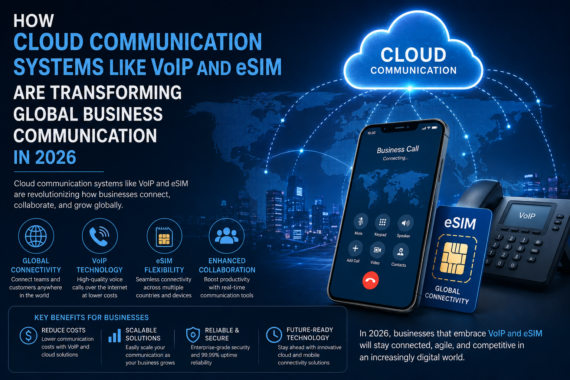
How Cloud Communications Systems Like VoIP and eSIM Are Transforming Global Business Communication in...