
July 22, 2026
Paragon Digicom: Trusted Telecom Service Provider in Dubai | Leading Telecom Company in UAE...

Introduction
In today’s fast-paced world, the telecommunications industry plays a vital role in connecting people and businesses across the globe. This connectivity generates vast amounts of data, including Call Detail Records (CDRs), which are essential for various purposes such as billing,
fraud detection, and network optimization. To harness the power of this data, telecommunication providers rely on CDR processing solutions.

The Significance of CDRs
CDRs serve several critical purposes within the telecommunications industry:
Billing and Revenue Assurance in telecom providers use CDRs to accurately bill customers for their usage. Whether it’s calculating voice call minutes, text messages, or data usage, CDRs are the foundation of precise billing.
Fraud Detection and Prevention in telecom networks are susceptible to fraud, including activities like SIM card cloning, toll fraud, and spam calls. CDRs are a goldmine of information for identifying unusual patterns and potentially fraudulent activities.
Quality of Service (QoS) Monitoring in network operators relies on CDRs to monitor the performance of their networks. By analyzing call quality and network congestion data, they can optimize network infrastructure for better customer experiences.
Compliance and Regulatory Requirements in telecom companies must adhere to various regulatory requirements. CDRs are crucial for ensuring compliance with call recording, data retention, and privacy regulations

The Role of CDR Processing Solutions
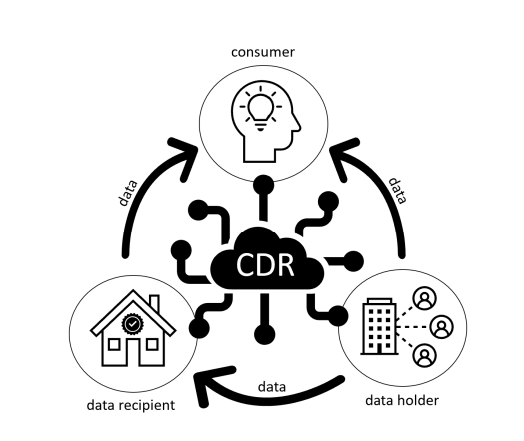
CDR processing solutions are the backbone of efficient telecommunications operations.
Here’s how they work.
CDR processing solutions collect records from various network elements, such as switches, routers, and session border controllers. They support various protocols and formats to accommodate diverse network environments.
Data Parsing and Normalization often arrive in different formats and structures. CDR processing solutions parse and normalize this data into a standardized format, making it consistent and easier to work with.
Data Storage solutions store CDRs in databases or data warehouses, ensuring scalability to handle large volumes of records. Historical data is invaluable for trend analysis, reporting, and auditing.
Real-time Processing is some CDR processing solutions that offer real-time processing capabilities, enabling immediate actions like fraud detection, QoS monitoring, and network optimization.
Conclusion:
In the dynamic world of telecommunications, CDRs are the lifeblood that keeps operations running smoothly. CDR processing solutions are the key to unlocking the potential of this data, enabling telecom providers to enhance customer experiences, reduce fraud, comply
with regulations, and optimize their networks.
Author: Rabeil Tariq
Paragon Digicom: Trusted Telecom Service Provider in Dubai | Leading Telecom Company in UAE...

The Future of VoIP: How Business VoIP Solutions Can Achieve Cost-Effective Global Communication In...
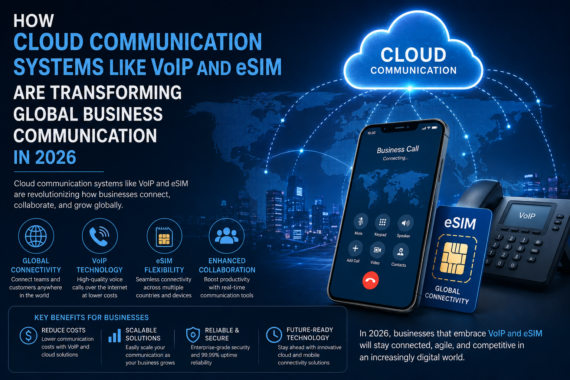
How Cloud Communications Systems Like VoIP and eSIM Are Transforming Global Business Communication in...