July 22, 2026
Paragon Digicom: Trusted Telecom Service Provider in Dubai | Leading Telecom Company in UAE...
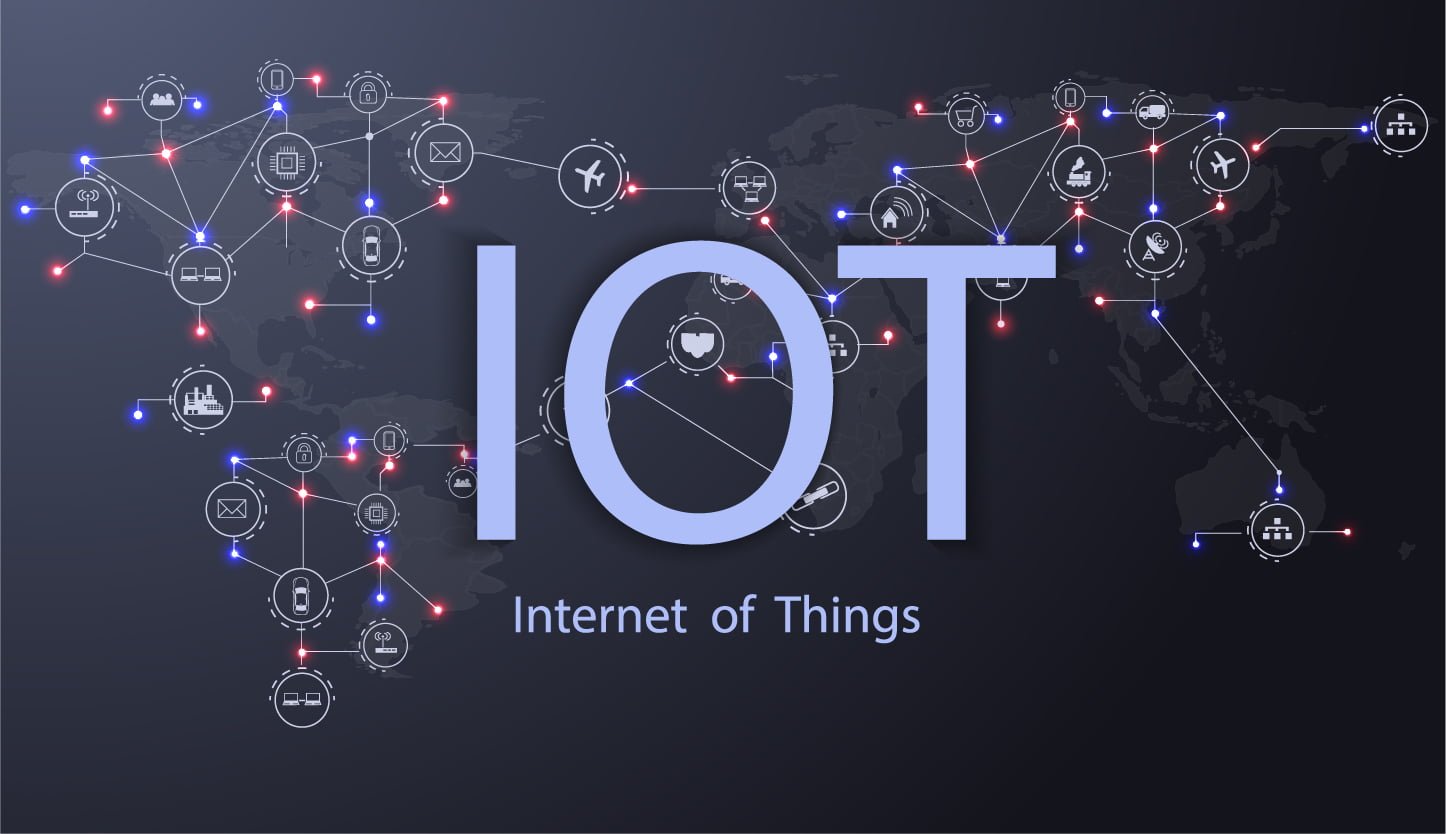
The rapid growth of digital transformation has changed the face of global communication, and one of the biggest contributors to this change is the IoT in Telecom Industry. From smart cities to intelligent networks, the telecom sector is experiencing a massive shift thanks to the integration of the Internet of Things (IoT).
IoT, or the Internet of Things, refers to the vast network of interconnected devices that communicate and share data with minimal human involvement. In the context of the telecom industry, IoT in Telecom Industry refers to the use of sensors, smart devices, and cloud platforms to enhance operational efficiency, improve customer experience, and support digital innovation.
The IoT full form in telecom simply extends to “Internet of Things” applied in telecommunications, where millions of devices transmit data across advanced networks to enable real-time decisions and automated services.
The IoT in the telecom sector is more than just a tech upgrade—it’s a fundamental shift in how telecom businesses operate. Companies are now deploying IoT systems to support new revenue models, improve service uptime, and automate customer support.
IoT in Telecom Industry has enabled telecom providers to:
Let’s dive into the benefits of IoT in telecom, which are driving this widespread adoption:
Using real-time analytics, telecom companies can monitor network traffic, predict failures, and ensure minimal downtime. This makes operations more cost-effective and reliable.
Read Also: IoT Services
With IoT-enabled sensors, telecom operators can detect faults before they escalate. This proactive approach reduces outages and increases customer satisfaction.
AI-powered chatbots and smart troubleshooting systems offer personalized support by using insights gathered from connected devices.
IoT in Telecom Industry allows service providers to launch innovative offerings like smart home solutions, fleet tracking, and industrial automation tools.
Key IoT Use Cases in Telecom
The practical implementation of IoT in telecom is already visible in various industries. Here are a few standout IoT use cases in telecom:
Telecom companies can remotely monitor towers for vibrations, power supply, temperature, and intrusion using IoT devices. This enhances asset management and reduces the need for physical inspections.
Telecom companies are integrating IoT solutions in logistics to manage and monitor delivery fleets in real time, improving route planning and fuel efficiency.
By leveraging IoT in Telecom Industry, telecom operators offer home automation and smart city solutions such as lighting, traffic management, and public safety monitoring.
IoT helps telecom companies reduce energy consumption by monitoring and controlling power supply at cell towers and data centers.
Despite the enormous potential, the adoption of IoT in the telecom sector is not without challenges:
Data Security: As millions of devices share sensitive data, the risk of breaches increases.
Interoperability Issues: Different IoT devices and platforms need standardization to ensure seamless communication.
Infrastructure Costs: Upgrading legacy systems to support IoT infrastructure can be expensive.
However, as the technology matures and regulations evolve, these barriers are gradually being addressed.
Looking ahead, the IoT in Telecom Industry will only grow stronger with the rollout of 5G networks, which offer ultra-low latency and faster data speeds. This will open doors for advanced use cases like autonomous vehicles, remote surgeries, and immersive AR/VR experiences.
Moreover, the rise of edge computing and AI will make IoT deployments more intelligent and real-time, transforming the role of telecom providers from mere network facilitators to tech-driven solution enablers.
The IoT in Telecom Industry is not just a trend—it’s the new foundation of global connectivity. By integrating IoT technologies into their infrastructure, telecom companies are unlocking new levels of efficiency, innovation, and customer engagement.
From network optimization to smart services, the telecom industry is becoming smarter, faster, and more responsive. As telecom companies continue to invest in IoT, they are building a future where seamless communication, automation, and digital intelligence go hand in hand.
The IoT full form in telecom is Internet of Things, which refers to a system of connected devices that communicate over telecom networks.
In the telecom sector, IoT is used for smart infrastructure monitoring, fleet management, energy optimization, and launching new customer-centric services.
The benefits of IoT in telecom include improved network efficiency, predictive maintenance, enhanced customer experience, and new revenue opportunities.
Common IoT use cases in telecom include smart tower monitoring, logistics and fleet tracking, energy management, and smart city applications.
IoT in Telecom Industry is essential for digital transformation, helping telecom providers deliver smarter, faster, and more scalable services.
Paragon Digicom: Trusted Telecom Service Provider in Dubai | Leading Telecom Company in UAE...
The Future of VoIP: How Business VoIP Solutions Can Achieve Cost-Effective Global Communication In...
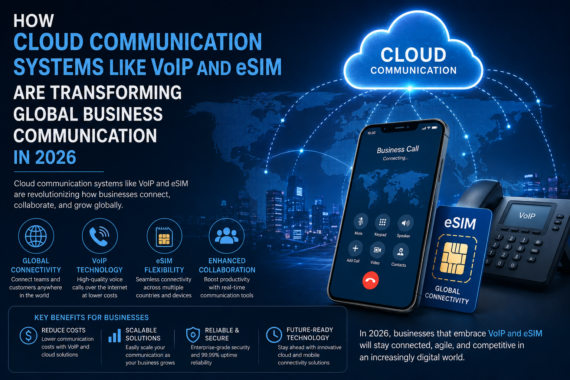
How Cloud Communications Systems Like VoIP and eSIM Are Transforming Global Business Communication in...